

Restoring your energy with Biophilic Design
In our increasingly urbanised world, we spend an astonishing 90% of our lives indoors. While concrete jungles and glass towers symbolise progress, they often leave us feeling disconnected, stressed and drained. The hum of air conditioning replaces the whisper of wind, artificial light supplants the sun’s gentle cycle and the sterile surfaces of modern interiors offer little solace. But what if our homes and workspaces could do more than just shelter us? What if they could actively recharge our energy levels, soothe our minds and boost our wellbeing?
Part of the answer is Biophilic Design – a revolutionary approach to architecture and interior design that seeks to reconnect humans with nature within the built environment. It’s not just about adding a few potted plants; it’s a profound knowledge area rooted in our innate human attraction to nature, a concept known as “biophilia,” first popularized by biologist E.O. Wilson. For millennia, humanity evolved in natural settings and our brains are still hardwired to thrive in such environments. Modern spaces often inadvertently deprive us of this vital connection, leading to measurable declines in health, mood and cognitive function. Biophilic Design offers a powerful antidote, transforming stagnant spaces into vibrant, life-affirming sanctuaries.
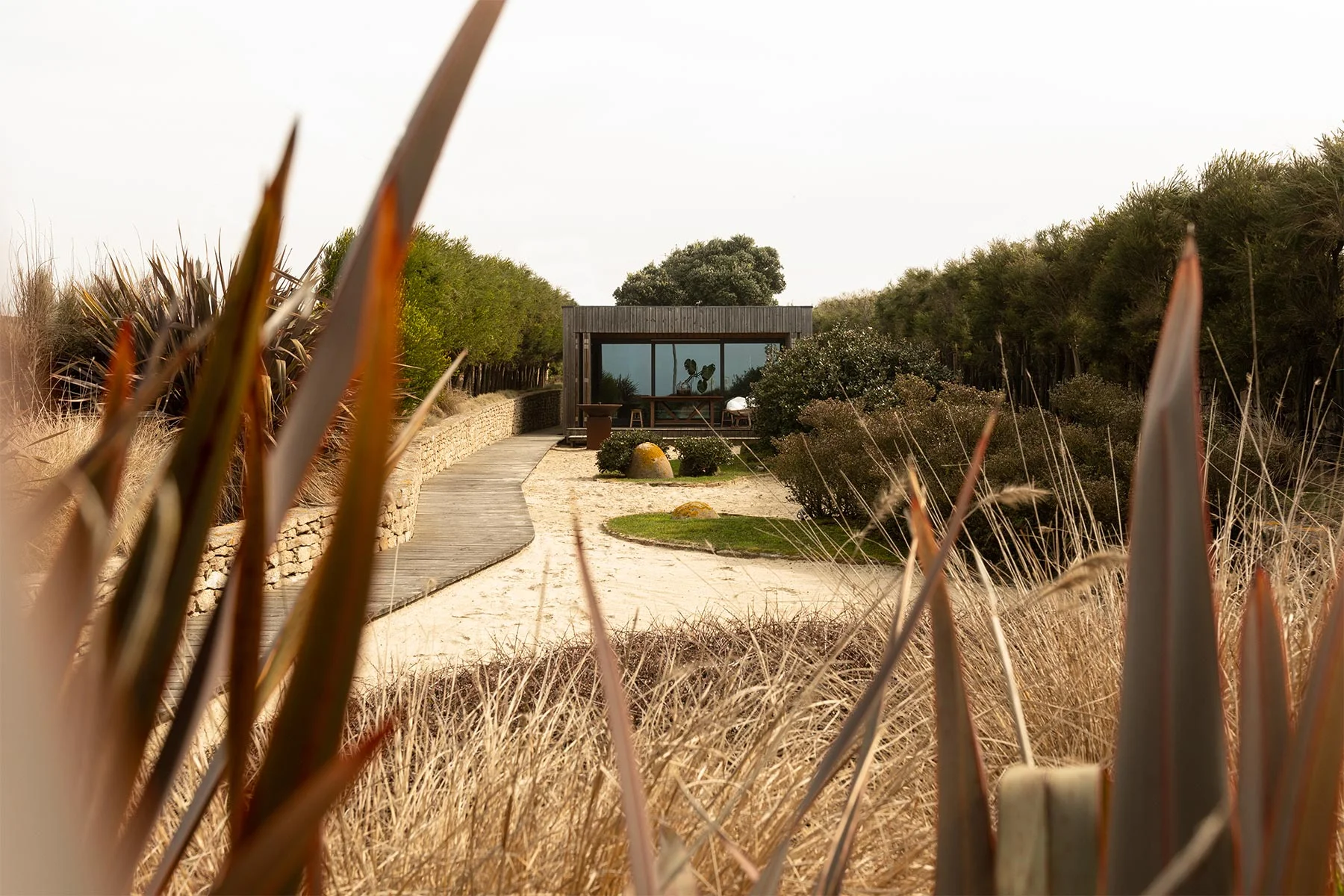

What is Biophilic Design? More Than Just Greenery
At its heart, Biophilic Design is the practice of creating healthy places for both people and the planet, by integrating nature and organic design processes into building design. It’s a purposeful strategy that goes beyond mere aesthetics, aiming to replicate the sensory richness and restorative qualities of the natural world.
The framework of Biophilic Design is often understood through a series of patterns that can be applied to diverse scales, from a single room to an entire urban plan. These patterns fall broadly into three categories:
- Direct Connection to Nature: This involves incorporating actual natural elements into a space. Think of abundant natural light, the sound of flowing water, living plants, fresh air and views of greenery or natural landscapes. It’s about experiencing the dynamic and living aspects of nature directly.
- Indirect Connection to Nature: When direct access isn’t feasible, designers use proxies for nature. This includes natural materials (wood, stone, cork), natural colors and textures, images and artwork depicting nature, natural geometries and forms (like fractals or organic shapes) and even replicating natural processes like diffuse lighting or varied airflow.
- Spatial and Place-Based Relationships: This category delves into the human psychological response to space geometry itself. Patterns here include “prospect” (an unimpeded view over a distance), “refuge” (a place to retreat and feel protected), “mystery” (the promise of more information around a corner) and “risk/peril” (a sense of mild danger coupled with safety, like looking down from a high balcony). These spatial qualities evoke primal responses that contribute to feelings of comfort and security.
Implementing these patterns transforms a building from a mere structure into a dynamic, sensory experience that resonates with our deepest biological needs.

The Transformative Power: Benefits of Biophilic Design
The advantages of integrating Biophilic Design are far-reaching, impacting physical health, mental wellbeing and even economic outcomes:
- Enhanced Health & Well-being: Studies consistently show that exposure to nature reduces stress hormones, lowers blood pressure and improves heart rate variability. Biophilic spaces accelerate healing in healthcare settings, reduce perceived pain, and contribute to faster recovery times. They combat “Sick Building Syndrome” by improving air quality and fostering a sense of vitality.
- Improved Cognitive Performance & Productivity: In offices, biophilic elements have been linked to increased productivity, enhanced creativity, and better problem-solving skills. Students in classrooms with natural light and views of nature show improved test scores and reduced absenteeism.
- Boosted Mood & Emotional Regulation: The presence of nature has a profound calming effect, reducing anxiety and promoting positive emotions. Natural light regulates our circadian rhythms, leading to better sleep patterns and improved mood regulation.
- Economic Advantages: Beyond human benefits, biophilic design can lead to tangible economic gains. Reduced absenteeism and presenteeism in workplaces, increased patient recovery rates in hospitals and higher retail sales in biophilic environments all contribute to a compelling return on investment. Property values can also increase due to the enhanced appeal and perceived wellness benefits of such spaces.

Integrating Our Core Principles: A Holistic Approach
At the heart of truly transformative bioarchitecture lies the seamless integration of our four core principles. Biophilic Design is the guiding philosophy, but it finds its full expression and maximum impact when interwoven with considerations for materials, air quality and intelligent building systems.
Biophilic Design and Bio-Based Materials: Building with Nature’s Own
The choice of materials is fundamental to authentic Biophilic Design. Using natural, sustainably sourced, and bio-based materials directly enhances our connection to nature. Imagine the warmth of exposed timber, the tactile comfort of natural stone, or the subtle scent of cork. These materials not only bring the beauty of nature indoors but also carry an inherent story – of their origin, their minimal processing, and their ability to biodegrade safely. They create a sensory richness that synthetic materials simply cannot replicate.
- For Further Development: We can delve deeper into the fascinating world of bio-based materials like cross-laminated timber (CLT), hempcrete, mycelium composites and bamboo. Exploring their unique properties, lifecycle assessments, thermal performance, and aesthetic versatility will reveal how they contribute to both biophilic principles and overall building sustainability.
Biophilic Design and Indoor Air Quality: Breathing Life into Spaces
A space filled with natural elements yet permeated by toxins from synthetic materials or poor ventilation negates the very purpose of Biophilic Design. True healthy architecture prioritizes indoor air quality (IAQ). Biophilic elements like living walls and indoor plants contribute to IAQ by filtering pollutants and increasing oxygen levels. However, the fundamental aspect is the strategic design for natural ventilation, minimizing off-gassing from construction materials, and integrating advanced filtration systems where necessary. A truly biophilic space is one where every breath is clean, fresh, and invigorating.
- For Further Development: We can explore the science behind indoor air pollutants (VOCs, particulate matter, CO2), effective ventilation strategies (natural and mechanical) and the critical role of material selection in maintaining pristine indoor air. Understanding the health impacts of poor IAQ underscores the urgency of this principle.
Biophilic Design and Passive & Smart Building Systems: Nature’s Intelligence, Amplified
Biophilic Design inherently aligns with passive building systems because both leverage natural forces for comfort and efficiency. Maximizing natural light, optimising cross-ventilation, and utilizing solar shading are all biophilic strategies that simultaneously reduce energy consumption. When a building’s design harmonizes with its local climate and natural resources, it becomes inherently more sustainable and comfortable.
Furthermore, smart building systems can intelligently enhance these biophilic connections. Automated window treatments can track the sun’s path to optimize natural light and minimise glare. Climate control systems can respond to external conditions to maintain ideal indoor temperatures while maximizing fresh air intake. Even lighting systems can mimic the natural circadian rhythm of daylight, supporting occupant well-being. These technologies, when thoughtfully integrated, amplify the restorative power of natural elements without disrupting their inherent appeal.
- For Further Development: A deeper dive into passive design principles (orientation, massing, insulation, shading) and how smart technologies can seamlessly integrate to enhance natural comfort and energy efficiency, will showcase the intelligent synergy between design and performance.
Beyond Aesthetics: A Holistic Approach
It’s crucial to understand that Biophilic Design is not a decorative add-on; it’s a fundamental design philosophy that should inform every stage of a project. It’s about creating environments that resonate with our biological heritage, providing sensory comfort and fostering a profound sense of connection. When Biophilic Design is thoughtfully integrated with bio-based materials, rigorous indoor air quality standards and intelligent passive and smart building systems, the result is truly transformative.
These are not just buildings; they are living, breathing entities designed to nourish their occupants. They are spaces that reduce stress, enhance creativity and, quite literally, recharge our energy levels. As we look to the future, the integration of these core principles offers a compelling vision for a built environment that is not only sustainable for the planet but also profoundly healthy for its inhabitants.
The journey into creating these recharging homes has just begun. In upcoming discussions, we will delve deeper into each of these foundational principles, providing the insights and knowledge you need to build a future where every space nurtures life.